What Apple Can Learn from Lenovo’s Yoga 9n
Exploring lessons for Apple's upcoming touchscreen MacBook from Lenovo's Yoga 9n.
Introduction
The anticipation surrounding Apple's rumored touchscreen MacBook has reached a fever pitch, particularly as it appears that an announcement may be imminent. As we speculate about the features and design, it’s worth examining what Apple could take away from Lenovo’s Yoga 9n, a standout 2-in-1 convertible that excels in both functionality and user experience.
The Versatility of 2-in-1 Designs
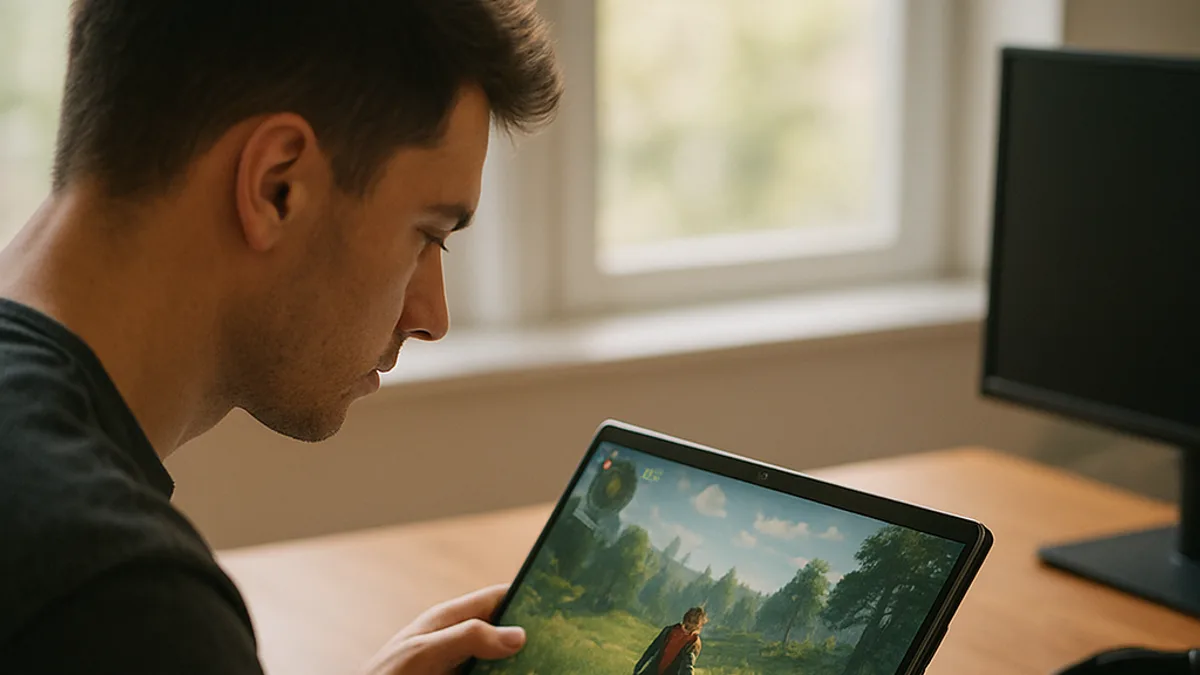
The Lenovo Yoga 9n exemplifies the versatility of 2-in-1 laptops, allowing users to transition seamlessly between clamshell, tent, and tablet modes. This adaptability enhances the device's usability, making it suitable for various tasks such as watching movies, gaming, or integrating into a multi-monitor setup.
For Apple, incorporating a similar level of versatility could redefine the MacBook experience, allowing users to engage with their devices in more dynamic ways. A touchscreen MacBook could leverage this flexibility, appealing to a wider audience seeking both productivity and entertainment.
Enhanced Input Options with Stylus Support
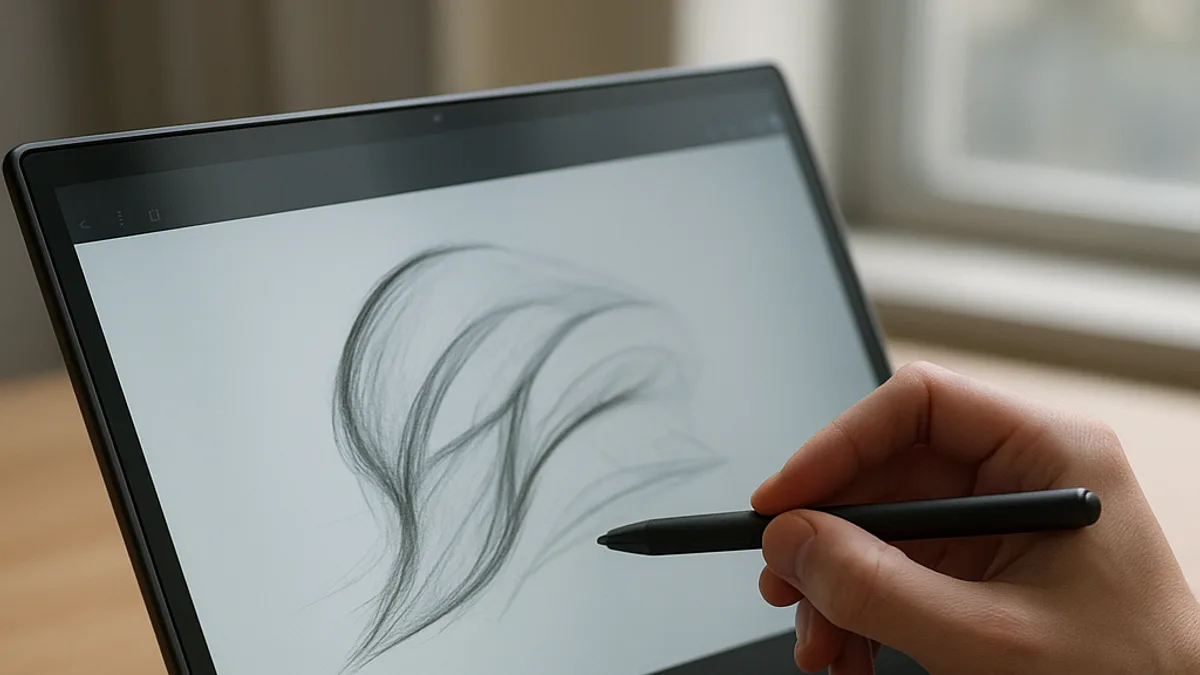
One of the most compelling features of the Yoga 9n is its stylus, which supports both note-taking and creative tasks on its impressive OLED display. The integration allows users to engage with their content in a tactile manner, enhancing both productivity and creativity.
Apple Pencil support is a likely expectation for a touchscreen MacBook, and it could serve to elevate the user experience significantly. If Apple can replicate the Yoga 9n's stylus functionality—especially its ability to work on both the screen and trackpad—it would provide users with an intuitive and versatile tool for tasks ranging from retouching photos to jotting down notes.
The Importance of Display Quality
The Yoga 9n features an exceptional OLED display that not only enhances visual clarity but also improves the overall user experience. High-quality displays are crucial for tasks such as graphic design, video editing, and gaming, where color accuracy and contrast are paramount.
If Apple decides to incorporate a touchscreen into its MacBook lineup, it will need to ensure that the display meets the high standards set by its existing products. A touchscreen MacBook with an OLED display could redefine how users interact with their devices, making it an essential factor for potential buyers.
User Experience: Touch vs. Mouse
While traditional laptops are designed primarily for mouse interaction, the Yoga 9n demonstrates how touch functionality can enhance user engagement. The device's haptic trackpad allows for a unique interaction model, enabling users to navigate without obstructing their view.
Apple has a unique opportunity to create a user experience that feels natural and intuitive. With the right software optimizations, a touchscreen MacBook could offer a fluid experience that accommodates both touch and traditional input methods, making it suitable for a variety of tasks.
Software Integration and Functionality
With the potential introduction of macOS updates designed to enhance touch functionality, Apple is positioned to create a cohesive ecosystem that bridges the gap between traditional computing and touch interaction. The hints of updates in macOS 27 suggest that Apple is considering how to make touch interactions feel more integrated and less cumbersome.
This is crucial for ensuring that a touchscreen MacBook does not simply replicate the experience of using a touchscreen on a Windows device but offers something uniquely Apple. Innovations in software could lead to new ways of interacting with applications, making the device more appealing to creative professionals and casual users alike.
Pricing and Market Position
As with any new product from Apple, the pricing of a touchscreen MacBook is likely to be a significant factor. Given Apple's history of premium pricing, it is essential that the device delivers exceptional value to justify its cost. The Yoga 9n serves as a benchmark for what users might expect in terms of features and performance at various price points.
Apple must ensure that the touchscreen MacBook not only competes with existing Windows 2-in-1s but also offers a compelling reason for users to invest in its ecosystem. This includes considerations of build quality, software integration, and overall user experience.
Key takeaways
- The Lenovo Yoga 9n showcases the benefits of a 2-in-1 design, offering versatility and adaptability.
- Stylus support is crucial for enhancing user interaction, particularly for creative tasks.
- High-quality displays, such as OLED, are essential for a premium user experience.
- Software integration must focus on making touch interactions intuitive and seamless.
- Pricing strategies will be critical in positioning a touchscreen MacBook within the competitive landscape.
Source: The Verge